
App Store
31 post(s)
-

App Store Marketing Weekly – Week 30 (2026)
This week’s theme: treat store exposure and review as ‘production surfaces’. Your listing is now portable across stores, your review path must be testable, and your retention loop should not rely on slow channels.
-

A quick reality check on App Store privacy labels and ATT: the numbers are still huge (42matters)
42matters keeps a rolling snapshot of App Store privacy label declarations. The useful part is not the exact percentages, it’s the gut-check: how many apps still declare tracking, background location access, and analytics-linked data at scale.
-

App Store review rejections are rarely ‘random’. They’re usually untestable flows (AppFollow)
AppFollow’s 2026 guide reframes App Review as a verification problem: reviewers reject what they can’t access, can’t validate, or can’t reconcile with metadata. The actionable bit is a pre-submit checklist that treats review like QA, not paperwork.
-
WWDC26’s App Store creative refresh: why your listing is turning into a living campaign
M+C Saatchi Performance argues Apple’s WWDC26 App Store changes (Creative Assets, Asset Library, and more personalised recommendations) move teams from ‘set-and-forget’ metadata toward ongoing creative and behavioural optimisation.
-

WWDC26 App Store guide: new creative surfaces, Asset Library, and ‘Retention Messaging’ in App Store Connect
Apple’s WWDC26 App Store guide is a sneak peek at how distribution is becoming a creative workflow (Asset Library, preview tooling) and how churn is becoming a storefront surface (Retention Messaging at cancellation).
-
Apple expands App Store capabilities (Creative Assets, subscription upgrades, and faster submissions): what app teams should do next
Apple’s June 8 Newsroom update rounds up 2026 App Store changes like Creative Assets in the product page header and search results, new subscription features, and a tighter submission workflow. The practical lesson: creative ops and experimentation are moving into App Store Connect.
-

Apple says the App Store is getting new marketing surfaces: Creative Assets, discovery updates, and more subscription levers
Apple’s June 2026 Newsroom post outlines new App Store marketing surfaces (Creative Assets in product page headers and search results), subscription flexibility, and workflow tweaks in App Store Connect. Treat it as a new creative + measurement problem, not just a shiny UI update.
-

Apple’s June 2026 App Store updates: Creative Assets, better previews, and more ‘compliance UI’
Apple is pushing App Store pages toward reusable Creative Assets and better previews, while quietly turning age ratings and Time Allowances into real product requirements you need to ship against.
-
Apple says the App Store ecosystem hit $1.4T in 2025 (and claims 90%+ was commission-free)
A credited summary of Apple’s App Store ecosystem press release and the linked Analysis Group study. The useful lens for marketers: Apple is framing the store as an AI-powered commerce engine, with most value in physical goods and services that do not pay Apple commission.
-

Apple Developer: Texas App Store age assurance (Declared Age Range + PermissionKit Significant Change)
A credited summary of Apple’s June 2026 update: new Apple Accounts in Texas now fall under SB 2420 age assurance rules, which adds declared age ranges, parent/guardian consent for minors, and a ‘significant change’ consent flow apps need to implement.
-
Apple is changing App Store age ratings in Australia and Vietnam: what to check before June 18
Apple says the 15+ rating is being removed in Australia (some 15+ apps will be bumped to 16+), and Vietnam will require a region-specific age rating (00+, 12+, 16+, 18+) based on your questionnaire. It’s a small storefront signal that can create surprise compliance work.
-

Apple now requires a Brazilian betting license for fixed-odds gambling apps in the Brazil App Store
Apple Developer News says fixed-odds betting apps can be distributed in Brazil, but only if you provide a valid SPA license during a new version submission.
-
App Store screenshot guidelines (2026): the practical rules that actually trip teams up
A timely refresher on App Store screenshot basics, plus the real gotchas: localisation, device previews, and making ‘proof’ visible in screenshot #1.
-

Supreme Court lets Apple’s Epic contempt order stand, the real fight is what ‘external links’ cost developers
The U.S. Supreme Court declined to pause the order holding Apple in contempt in the Epic case. That keeps pressure on a core App Store question: if apps can link out to pay elsewhere, what commission (if any) can Apple still charge on those purchases?
-
Epic v Apple: stay reversed, App Store external payments rules back in play
The Ninth Circuit reversed a stay that had paused enforcement while Apple pursues another Supreme Court appeal in Epic v Apple. Practically, this pulls App Store ‘external purchase’ rules and fees back into the spotlight again, and teams should be ready for link-out UX and commission policy changes.
-

Apple’s monthly subscriptions with a 12-month commitment: a pricing lever, not a miracle
A credited summary of RevenueCat’s take on Apple’s new 12‑month commitment billing plan: where it helps (localization, annual-value buyers with upfront friction) and what to watch (cannibalization, support, payment failures).
-
Apple quietly tweaks the App Store app: Updates becomes ‘App Updates’ and moves up the list
Apple made a backend change in the App Store app that renames ‘Updates’ to ‘App Updates’ and swaps its position with Purchase History, making updates slightly more prominent without a software update.
-

Mental health is no longer a rising tide category, it is an intent-matching game (and CPPs are the lever)
ConsultMyApp argues that US iPhone demand proxies for several core mental health terms have softened since 2024, while Apple Search Ads competition remains intense. The practical response is tighter intent segmentation and Custom Product Pages that prove the right thing after the tap.
-

App Store Marketing Weekly – Week 15 (2026)
This week’s theme: distribution is getting stricter. Treat developer verification and policy shifts like release engineering, not ‘admin’, because they can break installs and updates overnight.
-
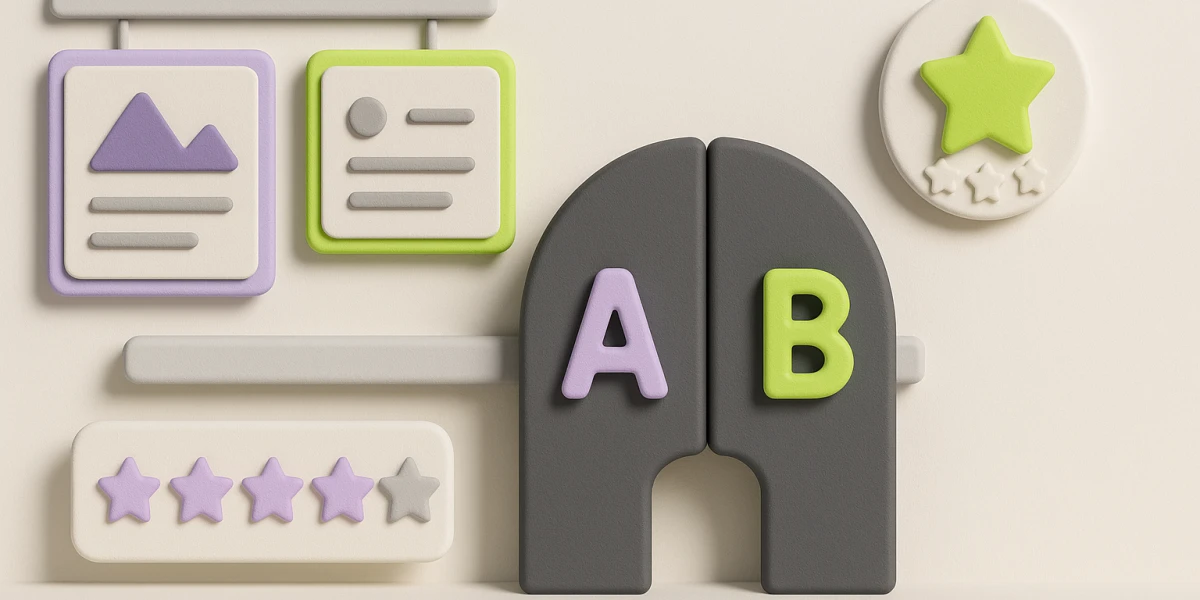
Better ratings are not just social proof, they are a growth gate (17k-app dataset)
ConsultMyApp analysed 17,128 US App Store apps and found a clear pattern: the top of the charts is dominated by 4.5+ rated apps, and rating improvements can lift organic visibility and paid conversion at the same time.
-
In iOS 26.4, App Store updates get an extra tap: why tiny navigation changes can shift update adoption
A credited summary of Heise’s March 26, 2026 write-up: iOS 26.4 moves the App Store updates list behind the account screen (and adds a faster Home Screen shortcut), a small UX change that can affect update behaviour and release rollout expectations.
-

Apple will show ‘regulated medical device’ status on App Store pages in the EEA, UK, and US
A credited summary of Apple’s March 26, 2026 update: some Health & Fitness and Medical apps must now declare regulated medical device status in App Store Connect, with new compliance cutoffs for new apps now and existing apps by early 2027.
-
Apple cuts App Store commissions in mainland China: 25% standard, 12% for small business and year-2 subscriptions
Apple says it will reduce App Store commissions on the China mainland storefront from 30% to 25% (standard), and from 15% to 12% for Small Business / Mini Apps partner transactions and subscription renewals after year one, effective March 15, 2026.
-

Apple updates age assurance tools (Declared Age Range API) for Brazil, AU/SG, Utah and Louisiana
Apple is tightening how 18+ apps are downloaded in some regions, and expanding developer signals for age assurance and significant updates.
-
App Store Connect: bundles can now include apps on different platforms (what it changes for promos)
A small App Store Connect release note with surprisingly practical impact: bundles created from Feb 17, 2026 can mix platforms. Good news for cross-sell, but it changes how you think about eligibility and storefront QA.
-
The 15% app store fee: if you’re under $1M, stop donating margin
A credited summary of RevenueCat’s practical guide to Apple’s Small Business Program and Google Play’s 15% service-fee tier, plus the subscription commission quirks teams still miss.
-

Apple pauses Texas age assurance rollout (SB2420) after injunction, but keeps the tooling in sandbox
Apple says it will pause its previously announced Texas age assurance implementation plans after a court injunction, while leaving the Declared Age Range API + related tools available for sandbox testing.
-

Apple will add more search ads in App Store search results (2026 rollout)
Search Engine Land reports Apple will add additional inline ad placements inside search results in 2026, with relevance gating who even enters the auction, not just bid size.
-
Apple updates the Developer Program License Agreement, adding Japan-specific iOS terms (alt distribution, payments, and offers)
Apple revised the Apple Developer Program License Agreement, including an Attachment for iOS apps in Japan that covers alternative distribution, alternative payments, out-of-app offers, and the Core Technology Commission.
-

The Sora Effect: how one launch can lift an entire app category
ConsultMyApp uses APPlyzer data to show how Sora’s iOS launch shifted search demand, rankings, and even competitor installs in the AI video space.
-
Apple: Texas SB2420 age assurance requirements (what changes for accounts, consent, and your app)
Apple outlines how Texas’ SB2420 will affect under-18 accounts (Family Sharing + parental consent) and the developer-side capabilities expected for age categories and ‘significant change’ consent flows.